Flagship events & initiatives
What werun
Hackathons, a speaker series, school outreach and humanitarian projects — the programmes the branch puts on year after year.
- Flagship programmes
- 8
- Years of >.hack()_;
- 7
- School students a year
- ~500
- Humanitarian projects
- 3
Showing 8 of 8 programmes
Flagship Hackathon
>.hack()_;
The branch's flagship, seven years running. Each edition gives college students a platform to turn an idea into something that works by the end of it, and every year the crop of entries has been larger than the last.
7 years running
Speaker Series
SPARC
Five years of speakers brought in for first-years. People who have built careers across very different fields, talking about how they got there — personal growth, career planning, and what the next four years can be made to hold.
5 years · for first-years
School Outreach
STEM Initiative
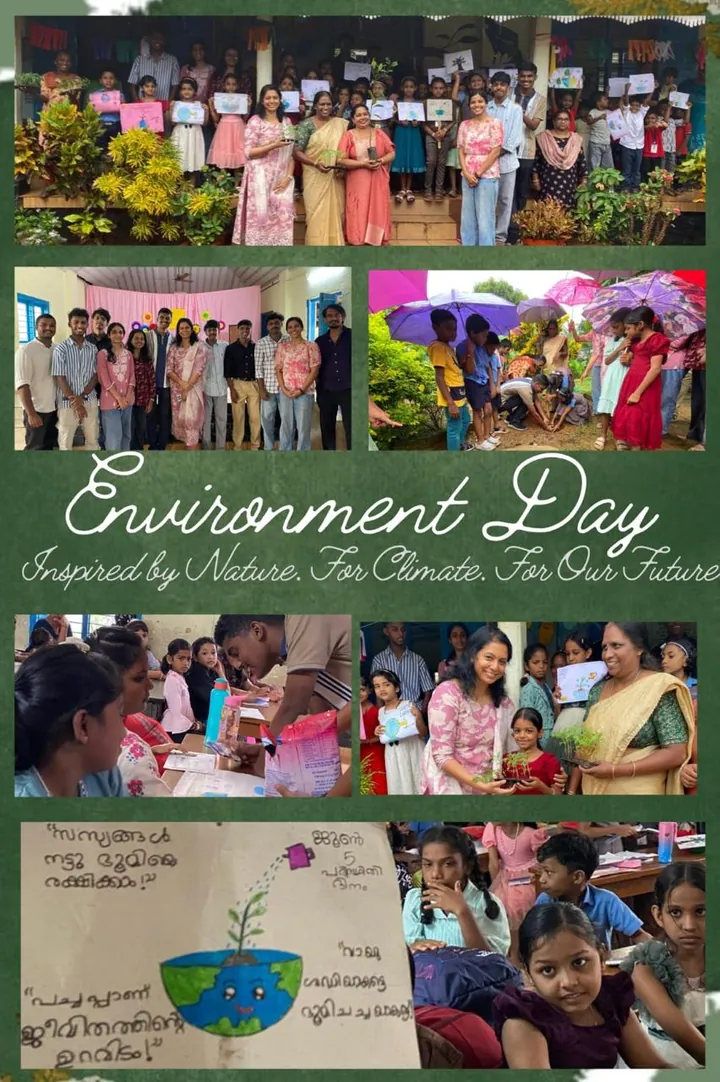
Workshops, demonstrations and hands-on sessions taking STEM into schools — IoT and embedded systems, mechatronics, software development, cybersecurity and data analytics. Reaches close to 500 students across five schools each year.
~500 students · 5 schools
Women in Tech
Hack-Her
A 24-hour ideation and implementation challenge open only to women, answering how few of them the field keeps. Technical work is the frame; what it actually builds is confidence, leadership, a network, and the habit of learning from peers.
24-hour challenge
Social Impact Hackathon
Hack-a-addict
Run with the Lions Club on drug abuse and its effects. Participants worked up technically feasible, socially relevant ideas for prevention, awareness and rehabilitation, and came away understanding what substance abuse actually does to the people around it.
With the Lions Club
Humanitarian Project
Light the Lives
Kuttampuzha Grama Panchayat had no dependable power. Volunteers cleared it with the local authorities, then moved into the locality for a week and built two solar systems there. The panchayat has had a reliable supply since.
2 solar systems · Kuttampuzha
Humanitarian Project
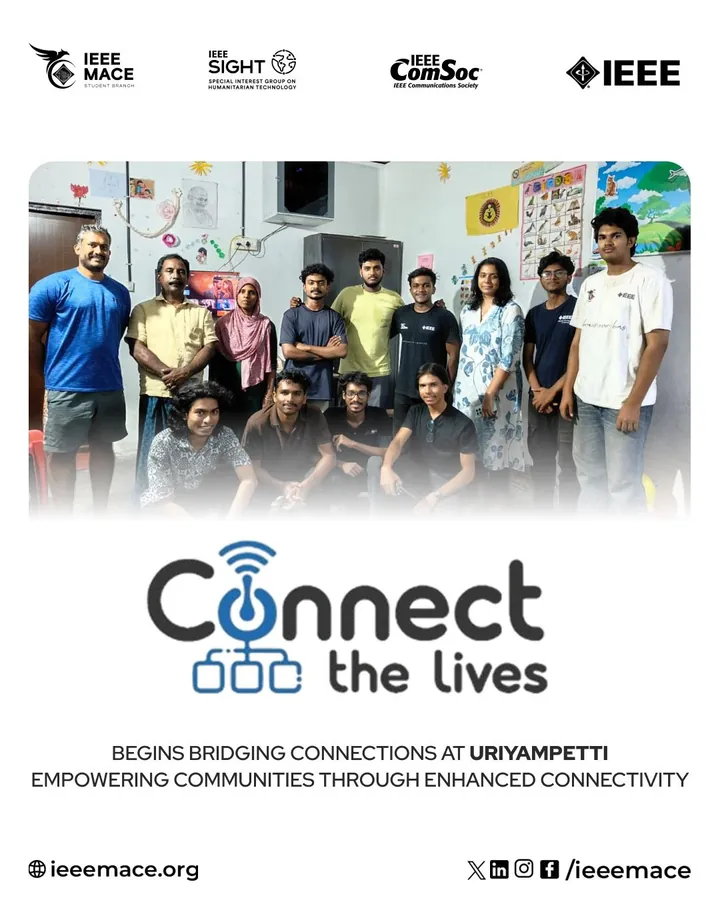
Connect the Lives
The tribal colony at Uriyampetty came to the branch after Light the Lives: their children could not reliably get to school. A survey settled what was needed, and a communication module went into the local school for online classes. A resident was trained to run it, and a year later it is still running.
Still running a year on
Humanitarian Technology
Fauna Flash
An early warning system for the forest fringe, built under Madhav K. Anil. It picks up elephant movement and alerts the settlements nearby while there is still time to act, so encounters that used to be dangerous mostly stop happening.
Elephant early warning
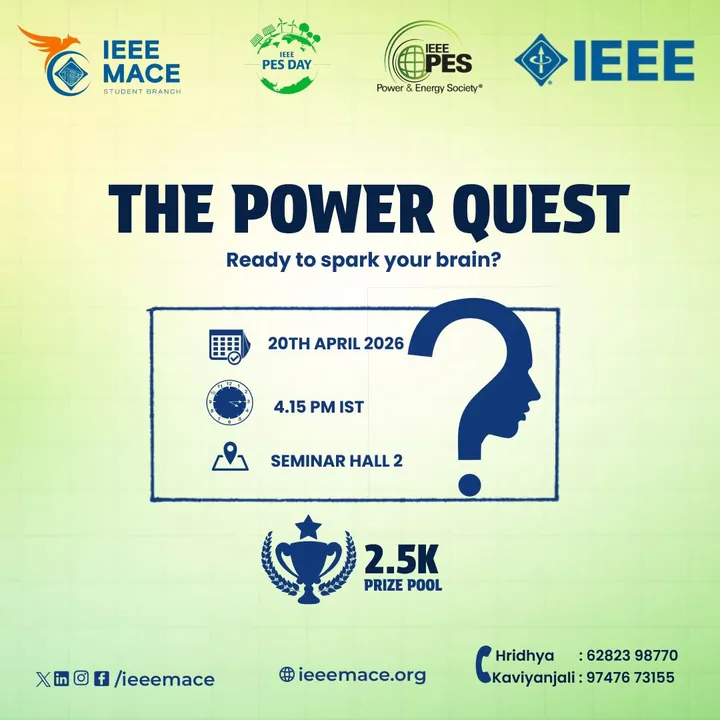
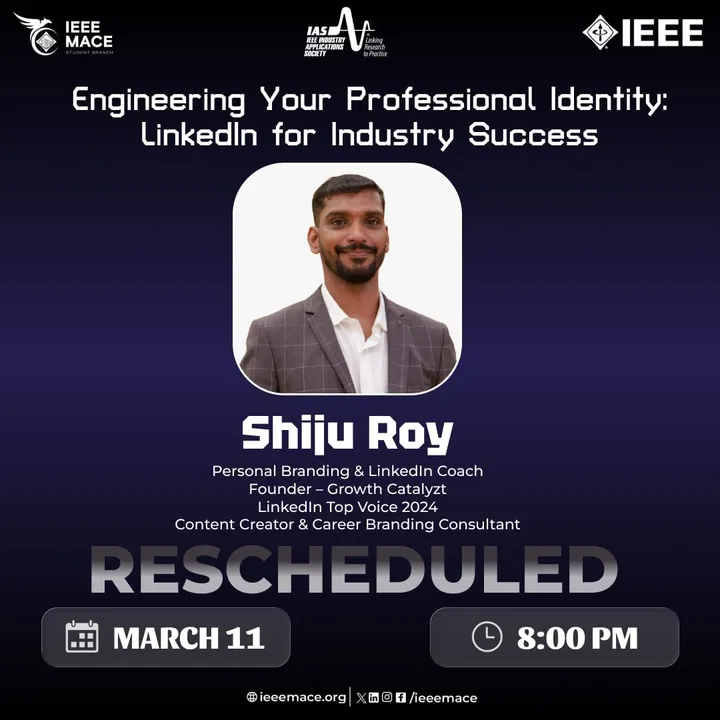
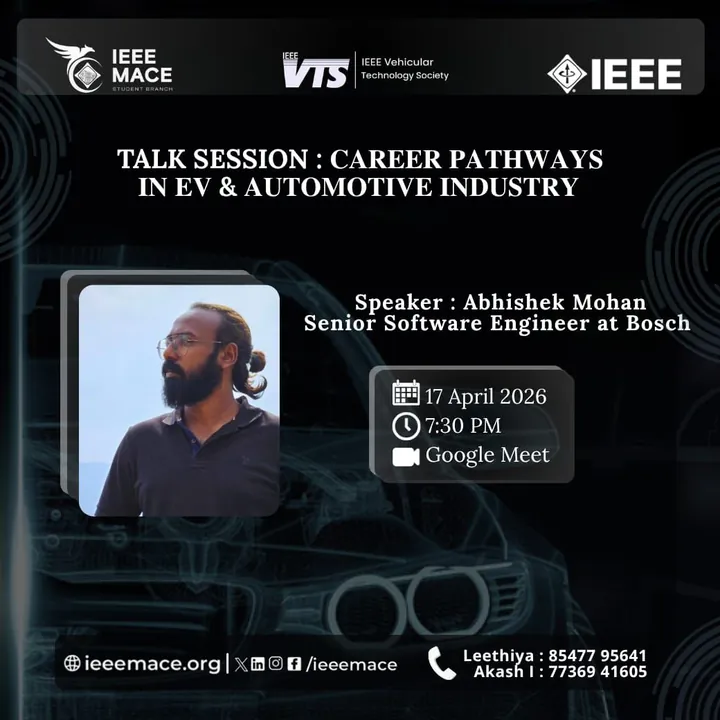
From thecalendar
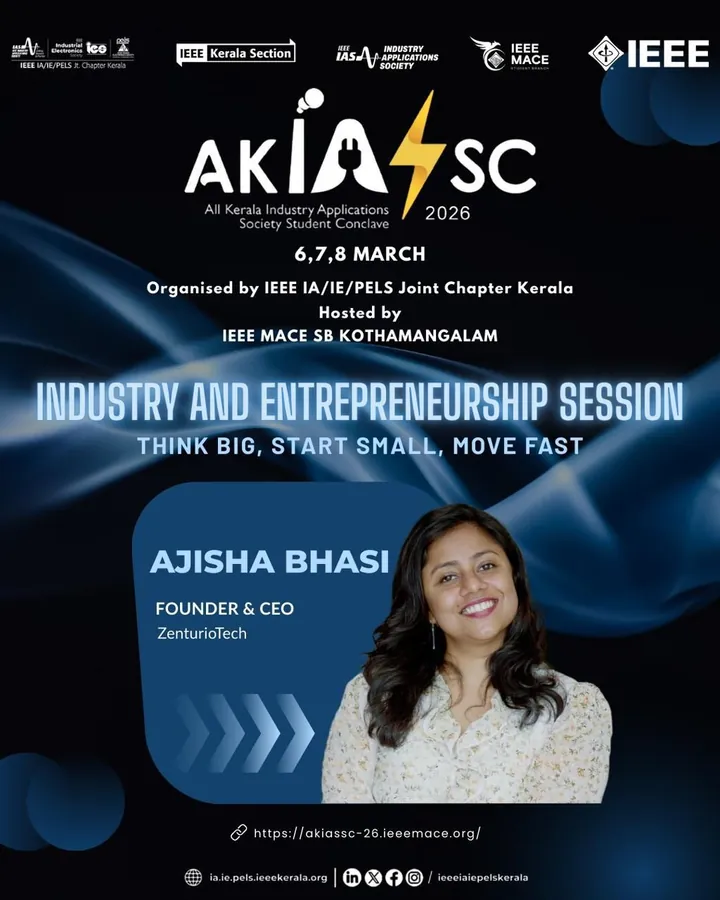
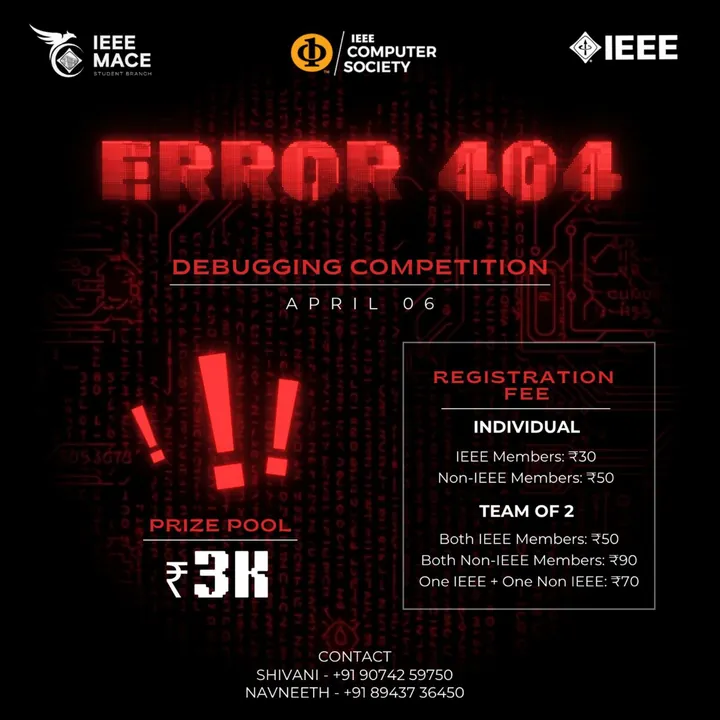
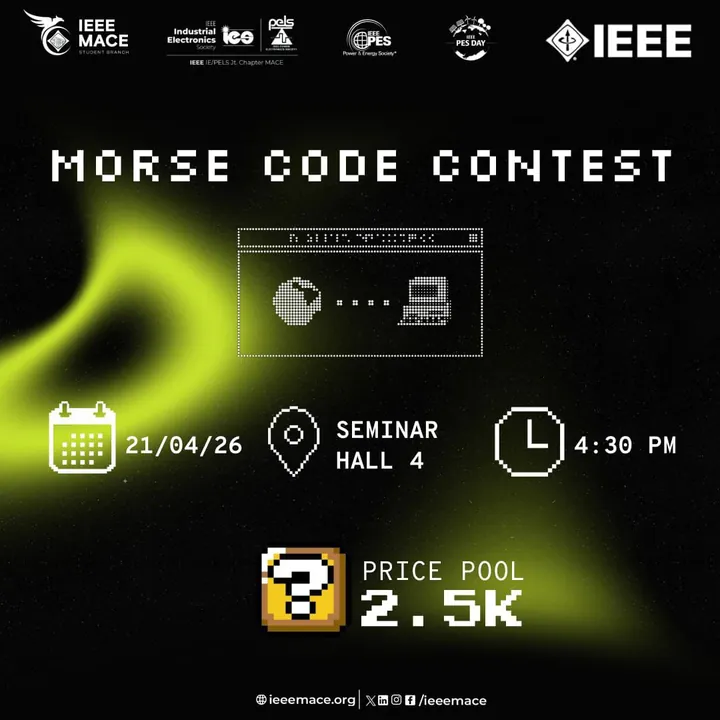
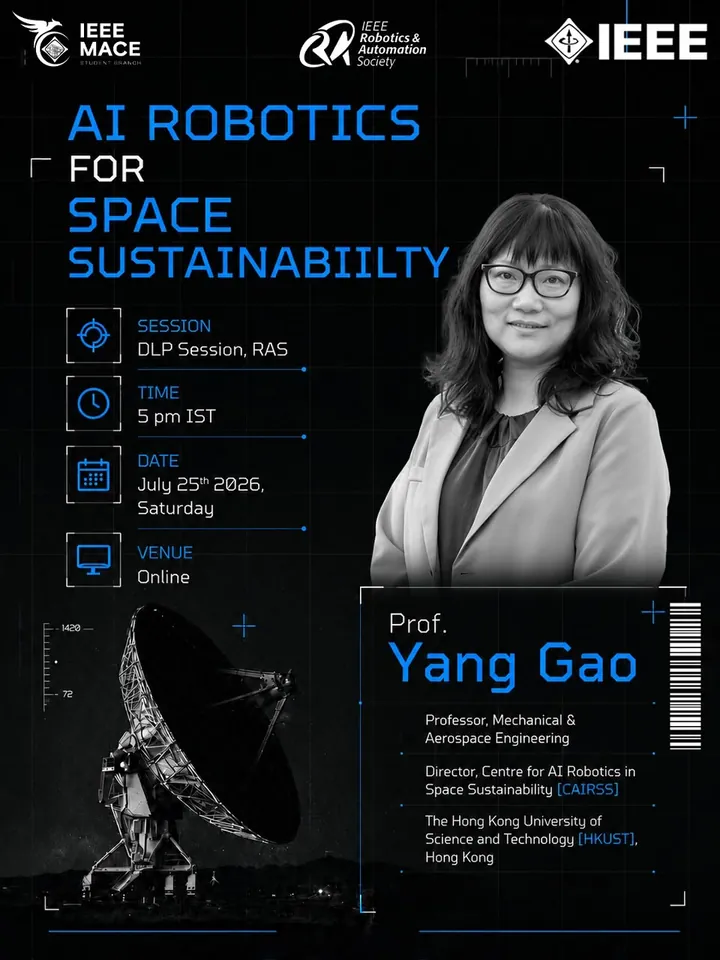
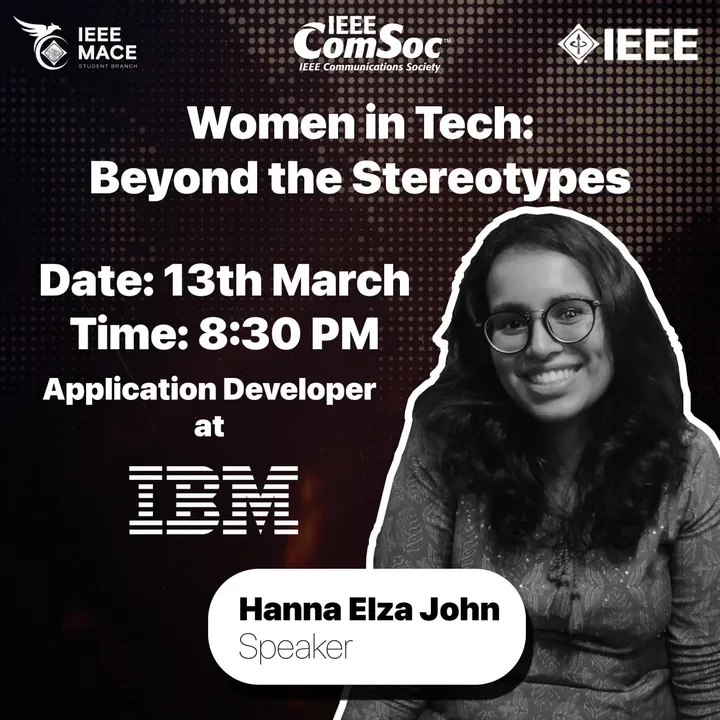
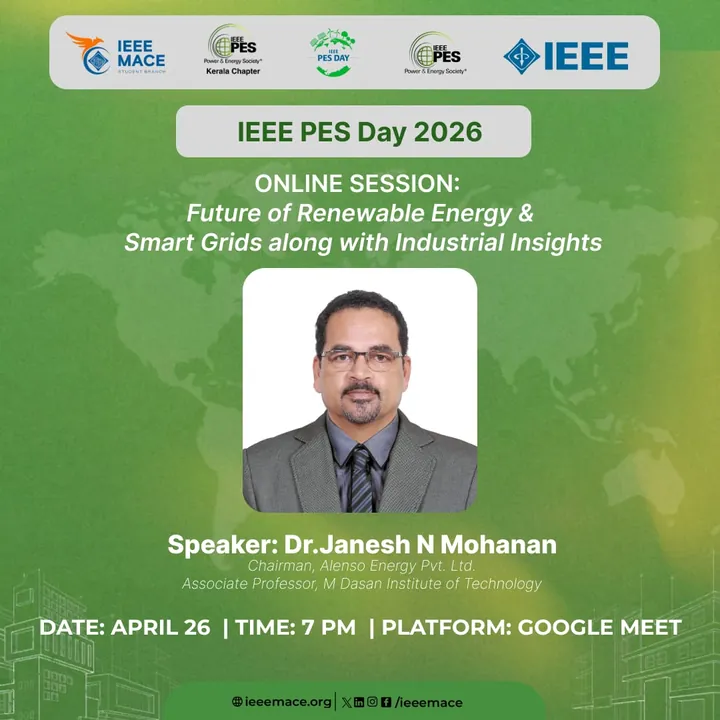
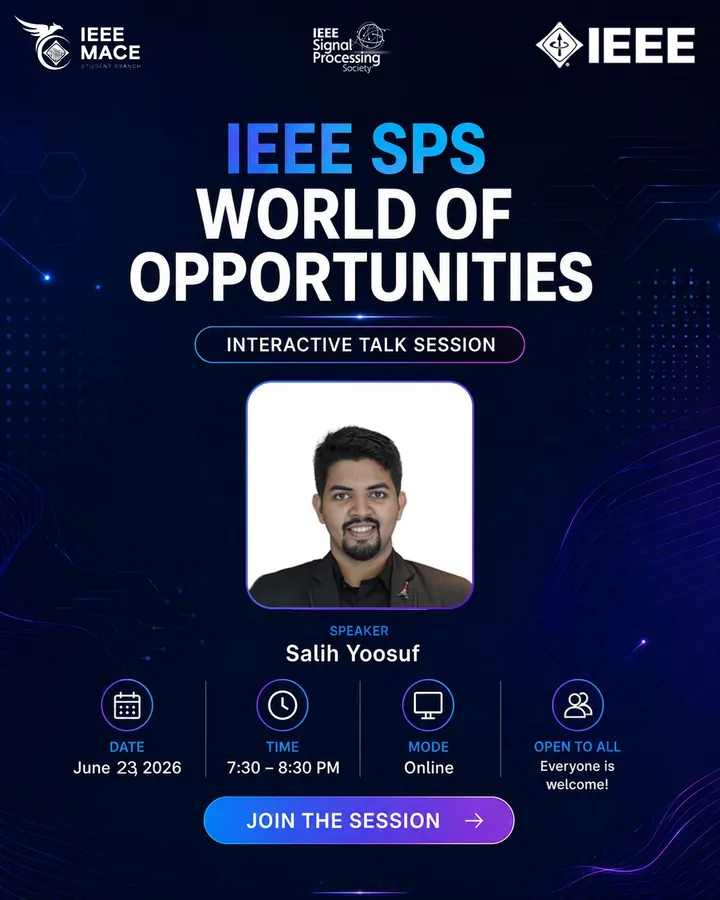
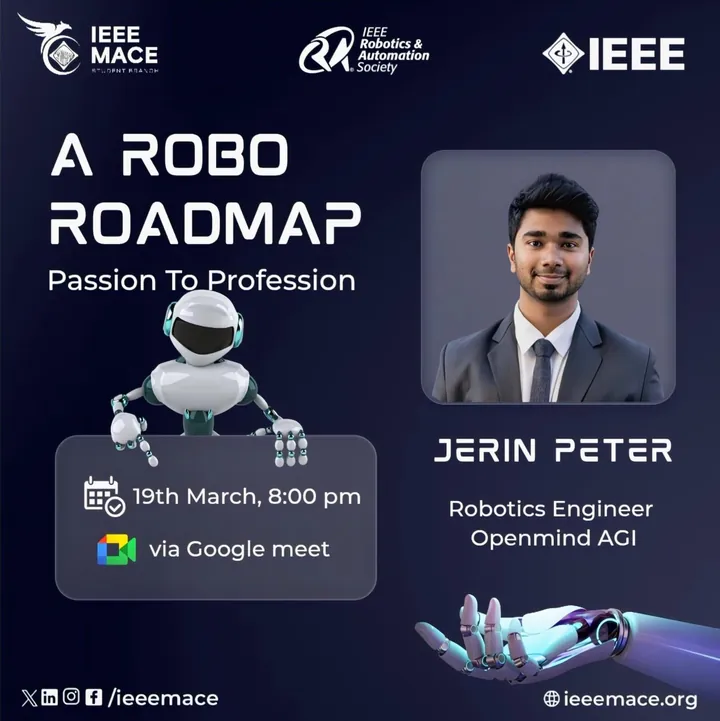
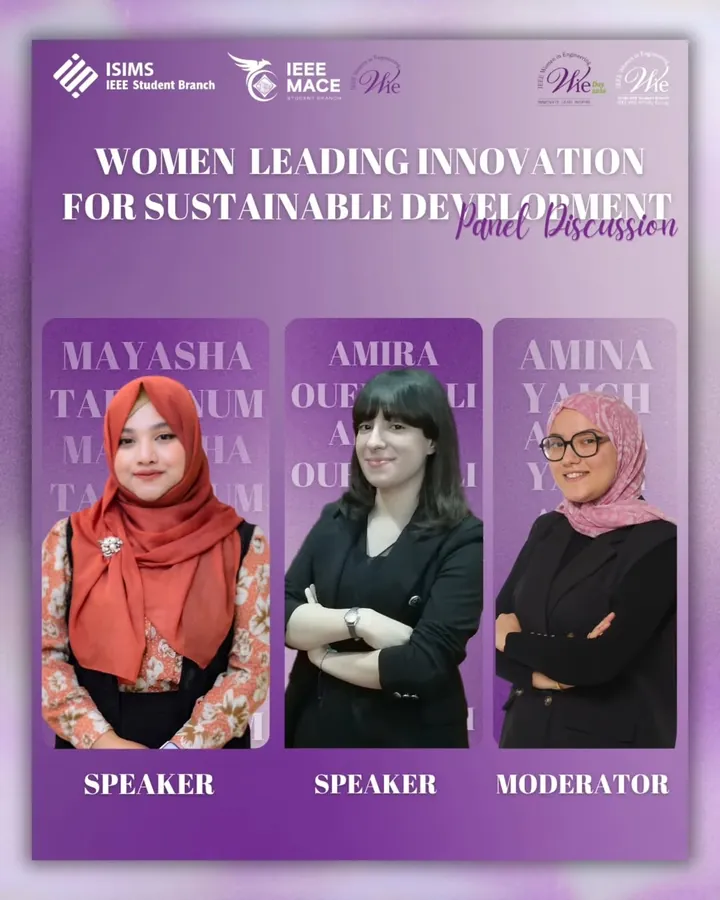
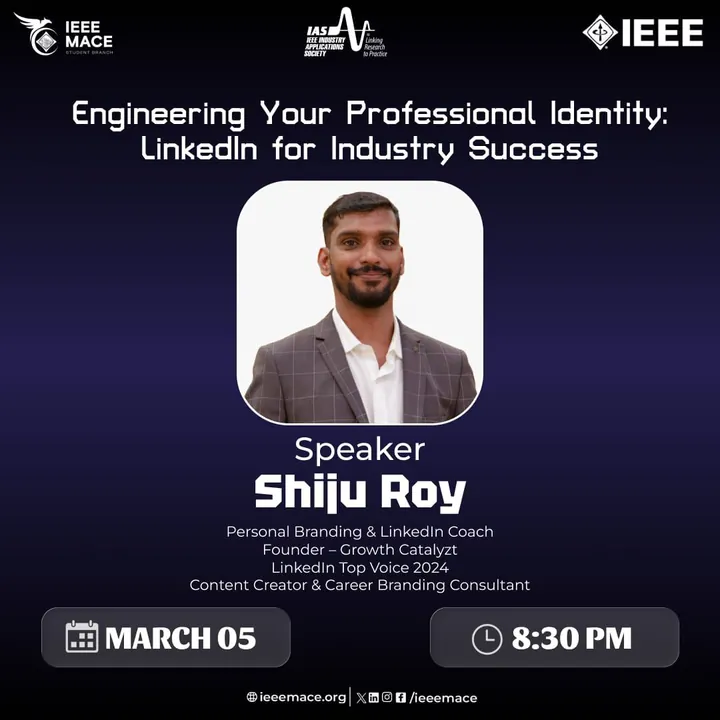
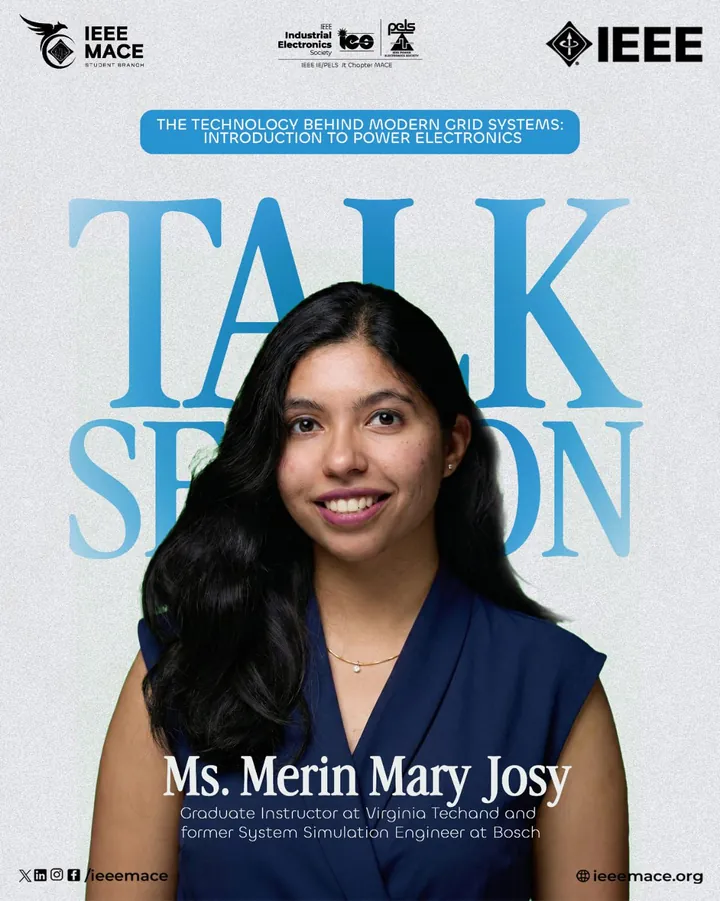
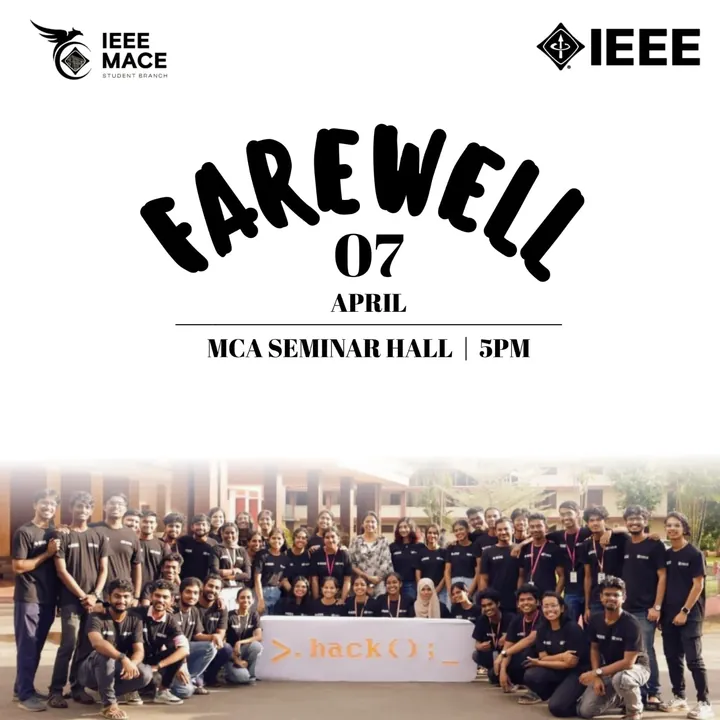
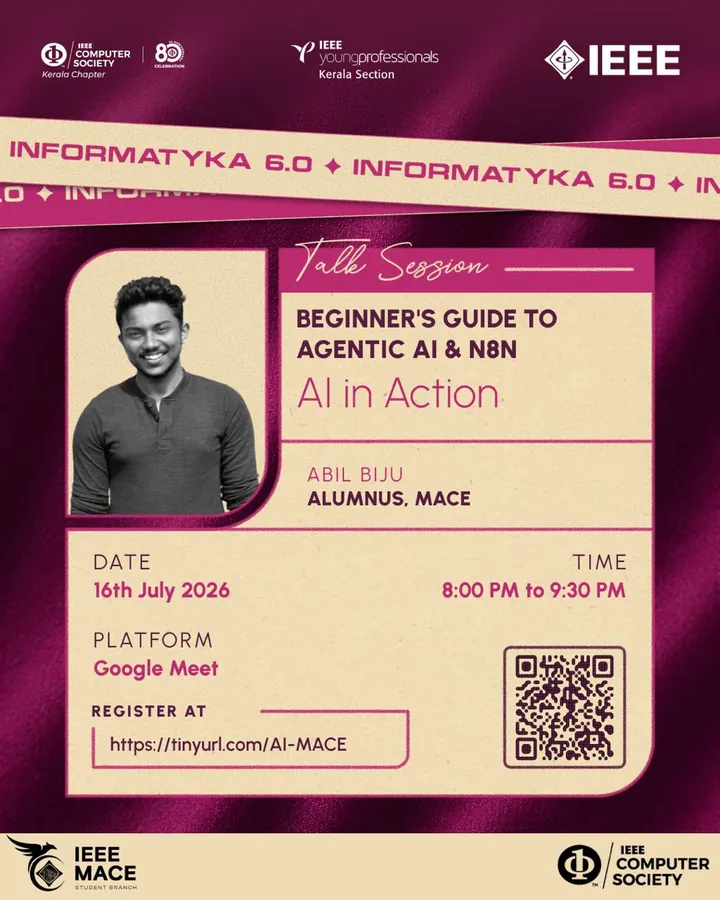
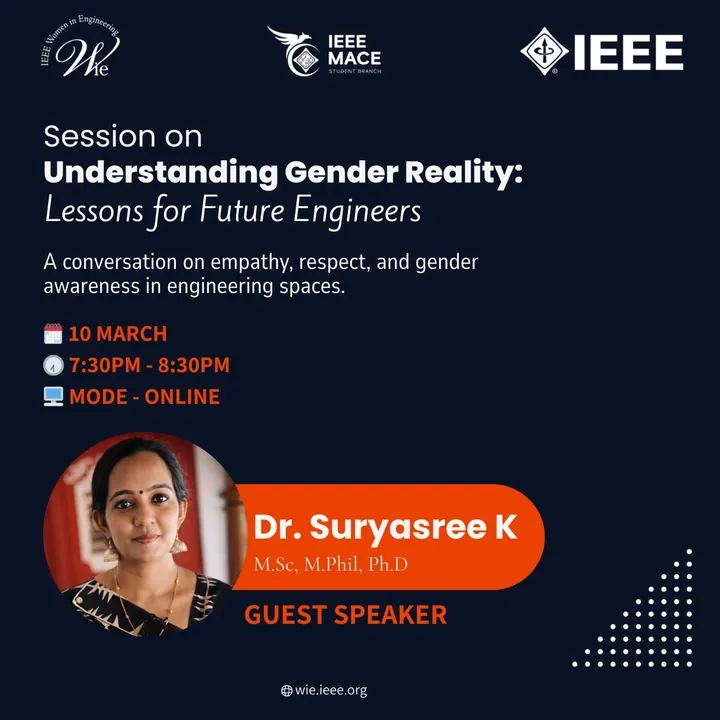
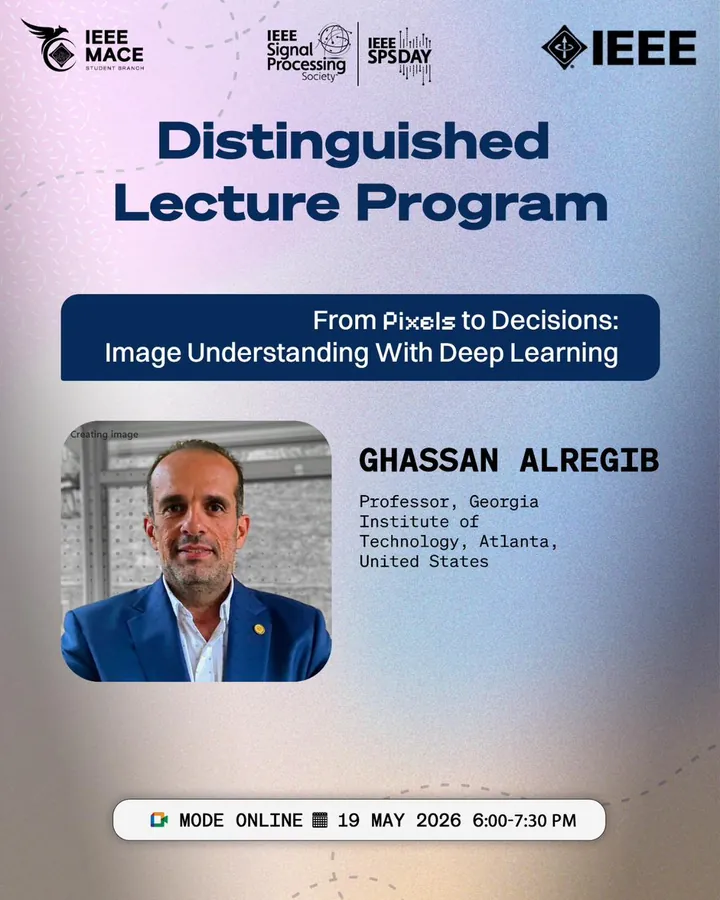
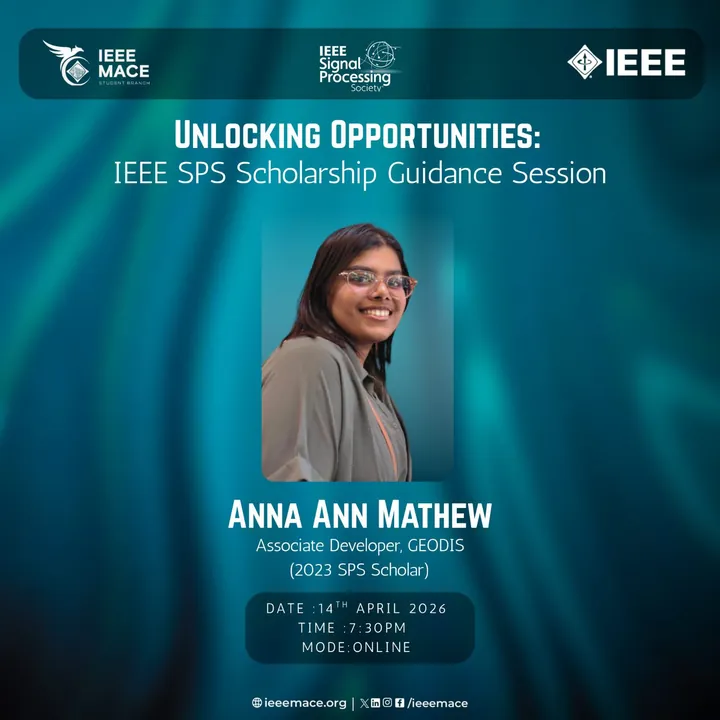
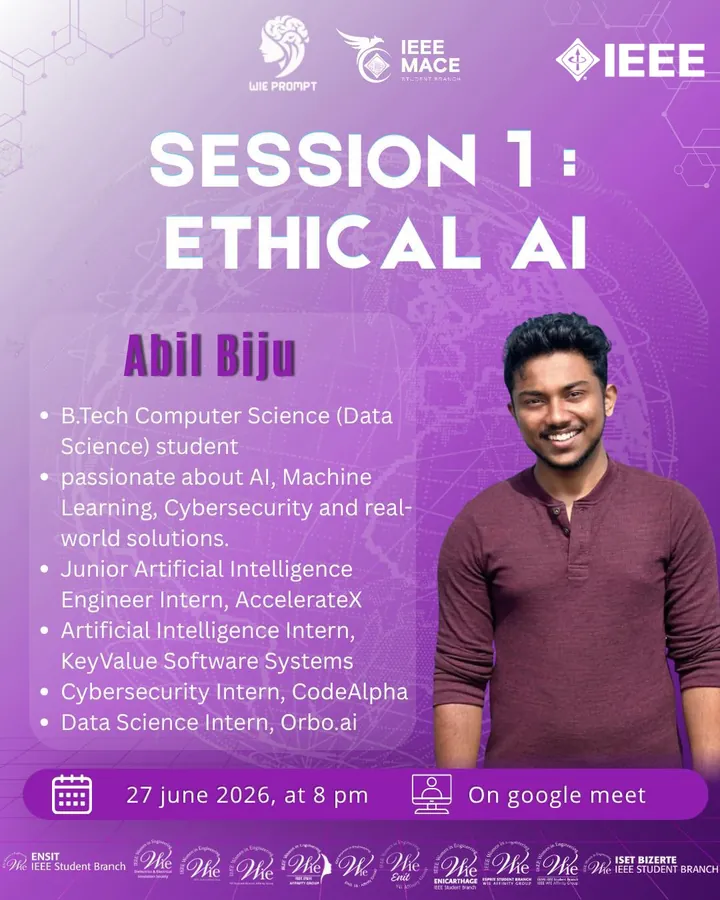
Talks, contests and sessions run by the branch and its societies.
Want in on the next one?
IEEE members get first word on every event, plus access to the societies that run them.